A playroom that works for every child is not about buying more. It is about thoughtful choices that make the space calmer, more flexible, and easier to be in. An inclusive playroom welcomes children with a wide range of needs and preferences, including those who are sensitive to noise, light, or clutter, and those who are constantly on the move. The aim is a room that adapts to the child, rather than asking the child to adapt to the room.
Here is how to think about it, from the big picture down to the practical details.
Start with zones, not stuff
The single most useful idea in playroom design is to think in zones. Rather than one big open space where everything happens at once, divide the room into a few clear areas with different purposes. Children read these visual boundaries quickly, and knowing what happens where helps reduce the low-level overwhelm of a busy, undefined space.
A simple set of zones might be:
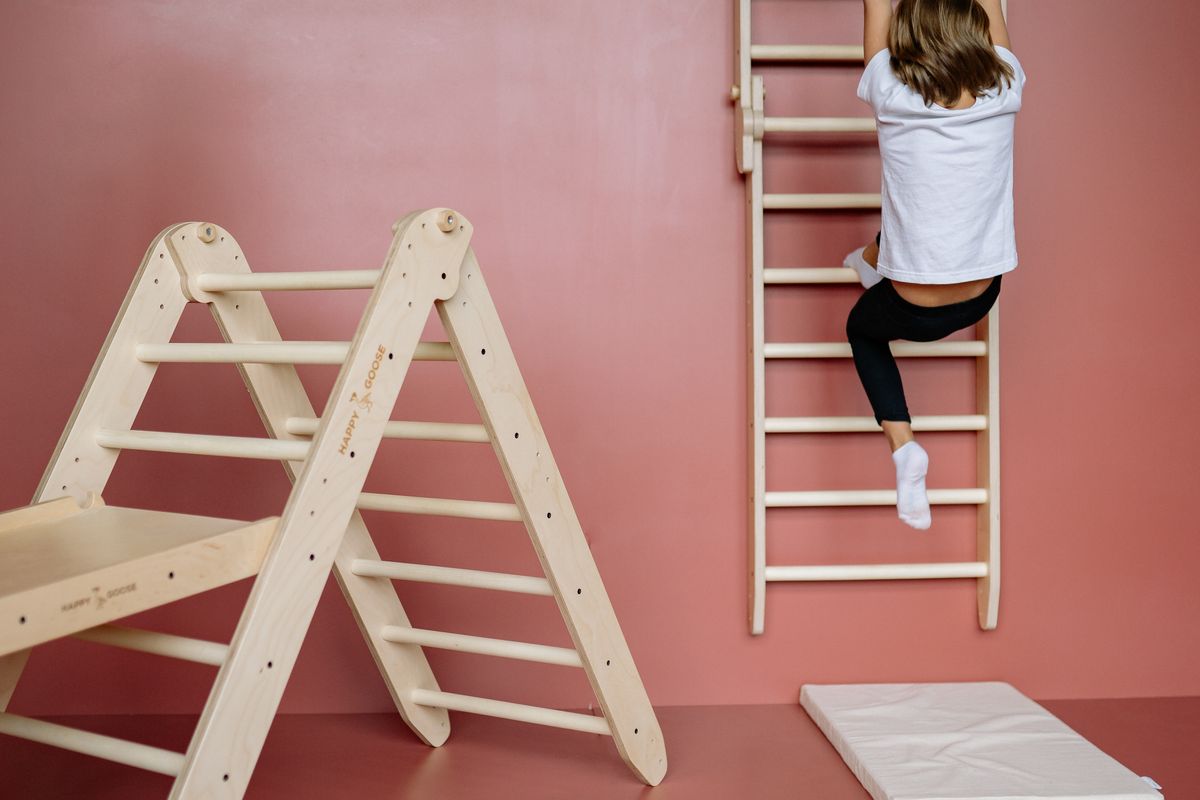
- An active zone for movement and big play.
- A quiet zone for calmer, focused activities like puzzles or drawing.
- A retreat zone for downtime, which we will come back to.
You do not need walls or dividers. A rug, a shelf turned sideways, or a change in flooring is enough to signal that one area is different from the next.
Keep lighting soft and adjustable
Lighting has a big effect on how a room feels, and harsh overhead light is a common culprit behind an environment that feels jangly. Where you can, favour soft, layered lighting over a single bright ceiling globe.
Natural light during the day is ideal, with a sheer blind to soften it if the sun gets strong. In the evening, a lamp or two gives a warmer, gentler glow that suits a wind-down better than a flood of white light. If a child is particularly sensitive to light, a dimmer switch is a small change that gives you a lot of control.
Cut the visual clutter
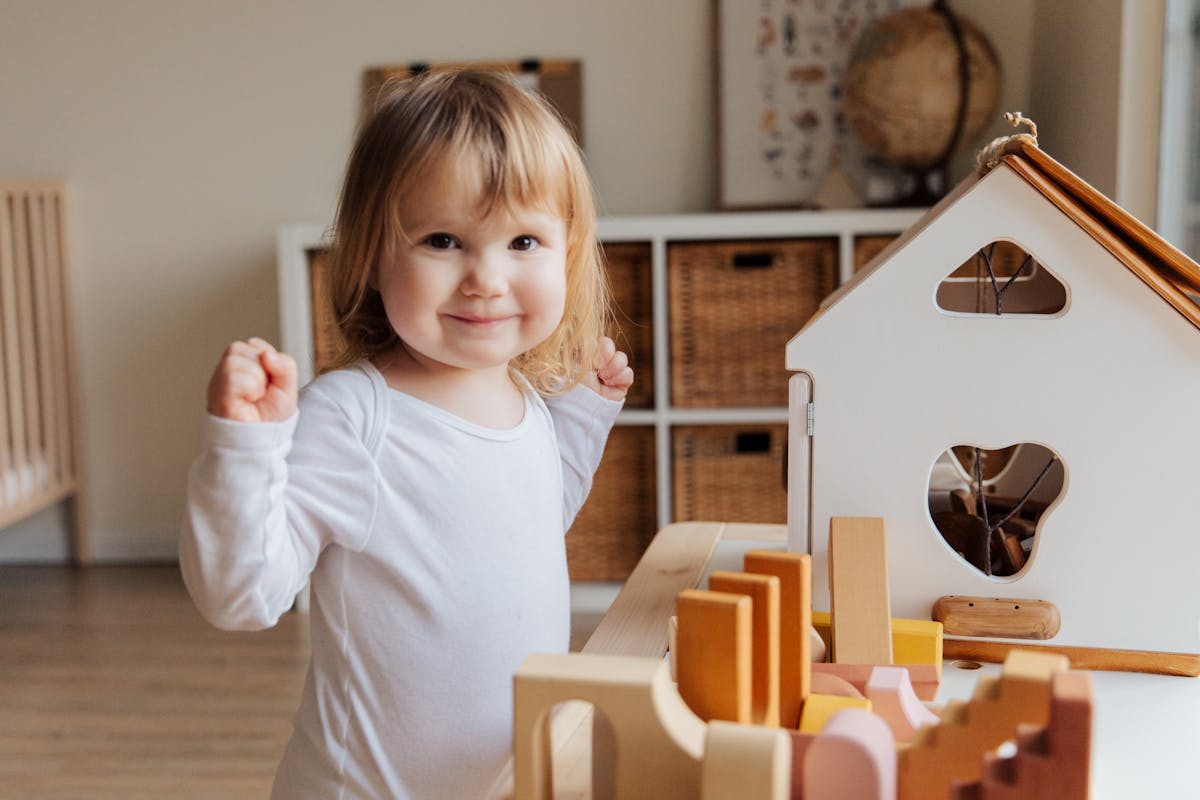
A room packed with open shelves of toys can be visually exhausting, even for adults. Too much on display means too much for a child to filter out. Closed storage, baskets, and boxes hide the bulk of it and let you put out a smaller, rotating selection.
Toy rotation is worth the effort. Keep a portion of toys out and pack the rest away, then swap them every week or two. The room stays calmer, and the toys that reappear feel fresh again. Low, child-height storage also supports independence, since children can reach what they need and help pack it away.
Choose furniture that flexes
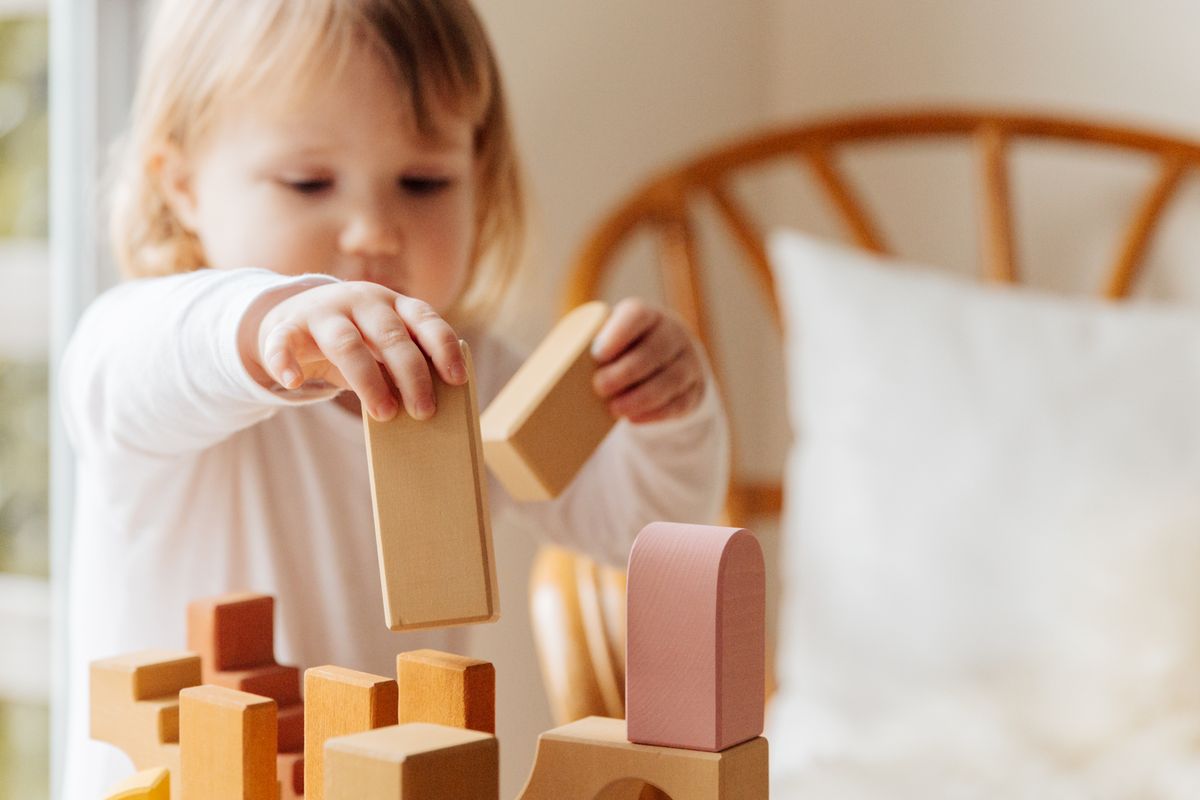
This is where an inclusive playroom really comes into its own. Children’s needs shift constantly: one minute they want to build, the next they want to climb, then they want to curl up and read. Furniture that can only do one job fights against that, while flexible furniture goes with it.
Soft, reconfigurable seating is one of the most useful things you can put in the space. Modular play couch pieces are a good example, because the same set of cushions can be a sofa, a fort, a set of stepping stones, a crash zone, or a quiet nook, all in the course of an afternoon. That versatility matters in an inclusive room, where the same piece needs to serve a child who wants to move and a child who wants to retreat, often on the same day. Pieces that reconfigure also let the room change as children grow, rather than being outgrown in a year.
When you are choosing flexible furniture, look for soft edges, sturdy construction, and covers you can actually clean. The more roles a single piece can play, the more value it brings to a busy, shared space.
Build in a quiet retreat
Every inclusive playroom benefits from somewhere a child can go to escape the buzz. A retreat zone is not a punishment corner. It is a positive, cosy spot a child can choose when they need less input.
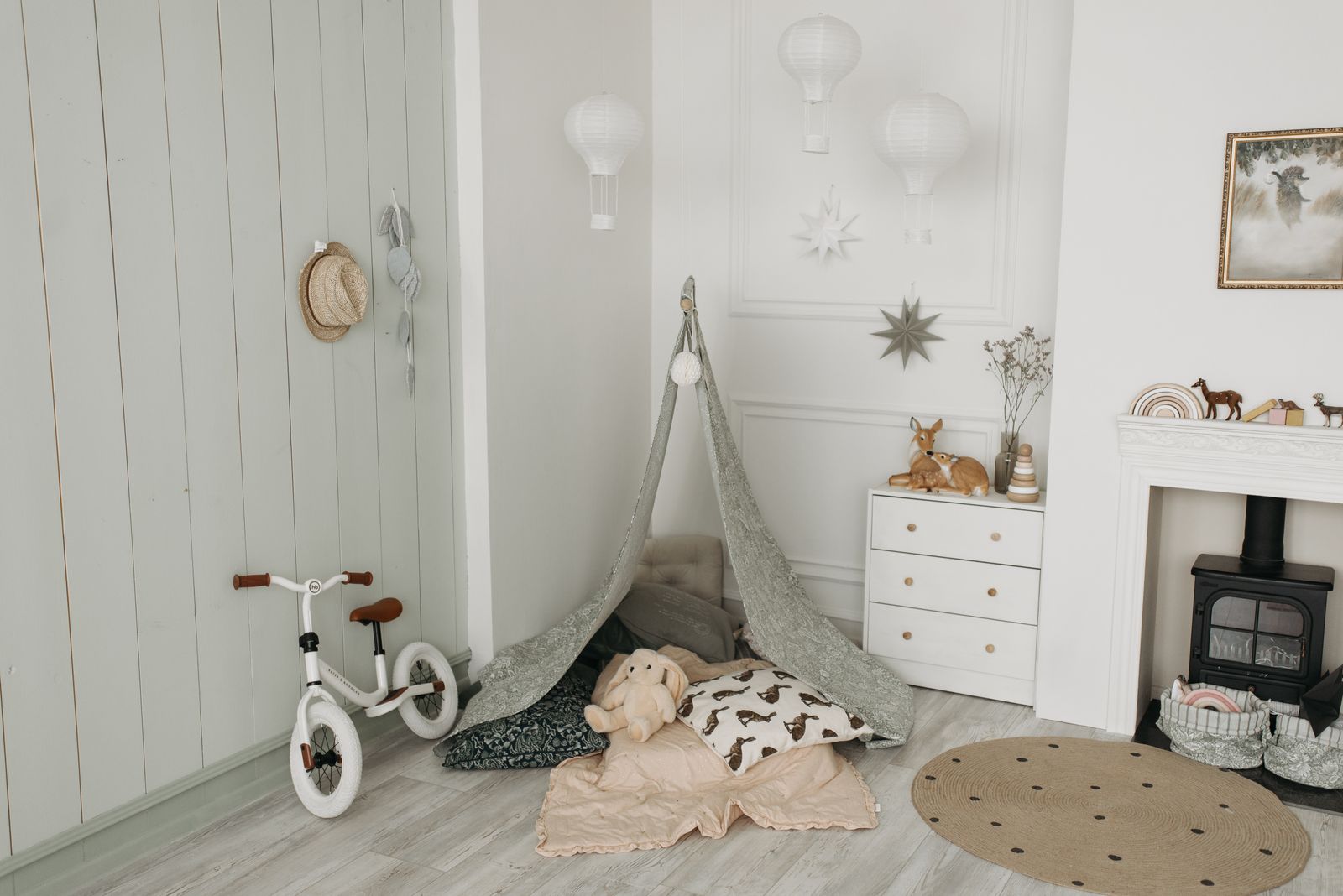
A cosy, enclosed space that helps some children feel calmer is the heart of this. That might be a small tent, a canopy over a corner, a nook behind the sofa, or a soft pod a child can climb into. The key features are softness, a sense of enclosure, and a bit of separation from the main action. Keep a cushion, a blanket, and maybe one quiet item in there, and let it be a place the child controls.
Letting children take themselves off to a retreat when they need it supports self-regulation, and it sends a quiet message that needing a break is normal and welcome.
Think about the floor
The floor is where most play actually happens, so it is worth getting right. A soft, defined floor surface gives children a comfortable base for building, stretching, and floor play, and it marks out a clear area at the same time. A washable rug or a padded mat also takes the edge off the inevitable bumps and tumbles of active play.
Make it forgiving
The last principle is to design for real life rather than a magazine photo. Children spill, drop, and crash into things, and a room that punishes every accident creates stress for everyone. Wipe-clean surfaces, washable covers, and sturdy, well-made pieces mean you can relax and let play happen.
An inclusive playroom, in the end, is a forgiving one. It bends to the child in front of you, on a good day and a hard one alike. Get the zones, the lighting, the storage, and a few flexible pieces right, and you have a space that quietly does a lot of work, leaving you free to simply enjoy watching your child play in it.